
Yes this can be an awkward topic (depends on your maturity, Sorry but its true!), yet its a very serious matter that continues to be dismissed because of its ‘Awkward’ nature.
Going 1 week without emptying your bowels is not normal at all. A study conducted with over 100 adults without gut disease found that about 98% passed between three stools per week and three per day, supporting this as a broad “normal” range. A review of more than 4,700 people reported that about 96% had between 3 and 21 bowel movements per week.

I want to discuss the following:
- What is Constipation?
- Why is it important to empty your bowels?
- Signs of a problem?
- What causes Constipation?
- How to naturally resolve?
- Food List
What is Constipation?
Constipation is a symptom, rather than a disease and it occurs as a build up of storage in your ‘Rectum’ which was passed down from your colon (Large Intestine), which acts as your ‘Bowel Passage Route’.
The small intestine is used to absorb all the nutrients from the food, while the large intestine holds the food and prepares it to be expelled, this shows our body is designed like a system.

The Rectum is where our body stores waste which is due to be emptied. However when the waste is left for too long this can harden and dry-up, leading to a build up of waste and causing the difficulty to empty your bowels. The correct way our body is designed to work is to transfer the waste to your ‘Rectum’ for storage, then it’s finally emptied out, which is controlled by your muscles.
Why is it important to empty your bowels?
Having less than 3 bowel movements per week especially when stools are hard, dry or painful to pass “CAN” be considered a huge red flag. Especially when bowel movement has slowed down very drastically.
But why is it important? Its simple, its like taking out bin bags kept in the house; you are simply removing waste and preventing a build-up of rubbish, food rot and bad odors in the house. Emptying the bowels is designed to prevent build-up of waste, preventing the waste turning into toxins, protecting the gut lining and supports the overall health and maintenance of your body organs i.e. Liver, Heart and Kidneys.
By emptying Regularly it helps prevent constipation, hemorrhoids, fissures, gut issues and conditions linked to long‑term straining or hard stools
The “Gut” is a key factor. When stool is held for too long in the Colon (Large Intestine), it absorbs toxins back into the body. This process can potentially interfere with other organs and “Gut Balance”. The Gut Balance could produce harmful products that could create long term disease risks. This can even lead to stress and mental issues. The Gut-brain axis is connected by the “Vague Nerve”. The nerve transmits signals about the gut health and its activity directly to the brain. The first usual signs for gut problems can be abdominal pain, stomach cramps and bloating.
You can learn a little more about how the Gut transmits signals to the Brain.
Signs of a problem?
- You have fewer than 3 movements per week for several weeks
- You experience hard, dry stool with constant straining and pain
- Feeling of incomplete emptying or blockage in the rectum
- Regular reliance on laxatives to open the bowels
- Frequent sense of heaviness or fullness
- You have constant bloating
- Inability to pass gas
- You have blood in your stool
The big question, What causes Constipation?
Constipation is usually caused by a mix of lifestyle factors, medications, and underlying health conditions. These factors slow the movement of stool through the bowel. They also make it harder and drier than normal. Often more than one factor is involved at the same time
What causes the stool to move slowly?
Here are some triggers:
There are 2 main causes;
- Not eating enough fiber from fruits, vegetables, whole grains, nuts and legumes (this normally helps bulk and soften stool)
- Not drinking enough fluids leading to dehydration and drier stool
- Low physical activity or long periods of sitting or lying down, which slows bowel movement
- Ignoring the urge to have a bowel movement, which can make the colon absorb more water and worsen constipation
- Sudden changes in routine (Traveling, new schedule, diet changes)
- Stress, Anxiety and Depression
- Implications of being on medicines or supplements
- Overuse of stimulant laxatives
- IBS (Irritable Bowels Syndrome)
- Neurological Problems
- Metabolic and Hormonal issues
- Physical problems in the colon, rectum or pelvic floor which hinders the passage
- Mostly controllable based on lifestyle habits – These are usually more modifiable with lifestyle and routine change
- Less controllable due to medical issues – These often persist regardless of the lifestyle habits
The Constipation “you can control” is mainly driven by habits and environment, while “less controllable” constipation comes from medical, structural, or medication related issues that usually needs professional help. A practical way to split them is to ask: “If I changed my routine and inputs, would this likely improve?”
How to naturally resolve
The body simply needs to clear its self from waste. The controllable constipation will respond well to diet, hydration, movement and routine.
- Increasing whole-foods Fiber with Vegetables, Fruits, Whole Grains, Legumes, nuts and seeds, and getting roughly 25-35g Fibre per day.
- Staying Hydrated: Drinking water regularly across the day, adding herbal teas and natural juices. This will have Fibre work properly and keep stool softer and easier to pass. Specific herbal tea brews can stimulate bowel activity.
- Moving daily and exercise: Daily walks, light exercise, Pilates and stretches to promote pelvic floor-friendly movement
- Creating a bowel movement routine: Aim to sit on the toilet at the same time daily (often after breakfast) for a few minutes, even if you do not pass stool immediately.
- Introducing a foot stool in the bathroom to raise the knees above hip level, this can straighten the rectum and make passing stool easier.
- Do regular breathing exercises
When natural measure are not enough, its then necessary to seek prompt medical advice only if constipation lasts more than 2-3 weeks, despite good lifestyle measure
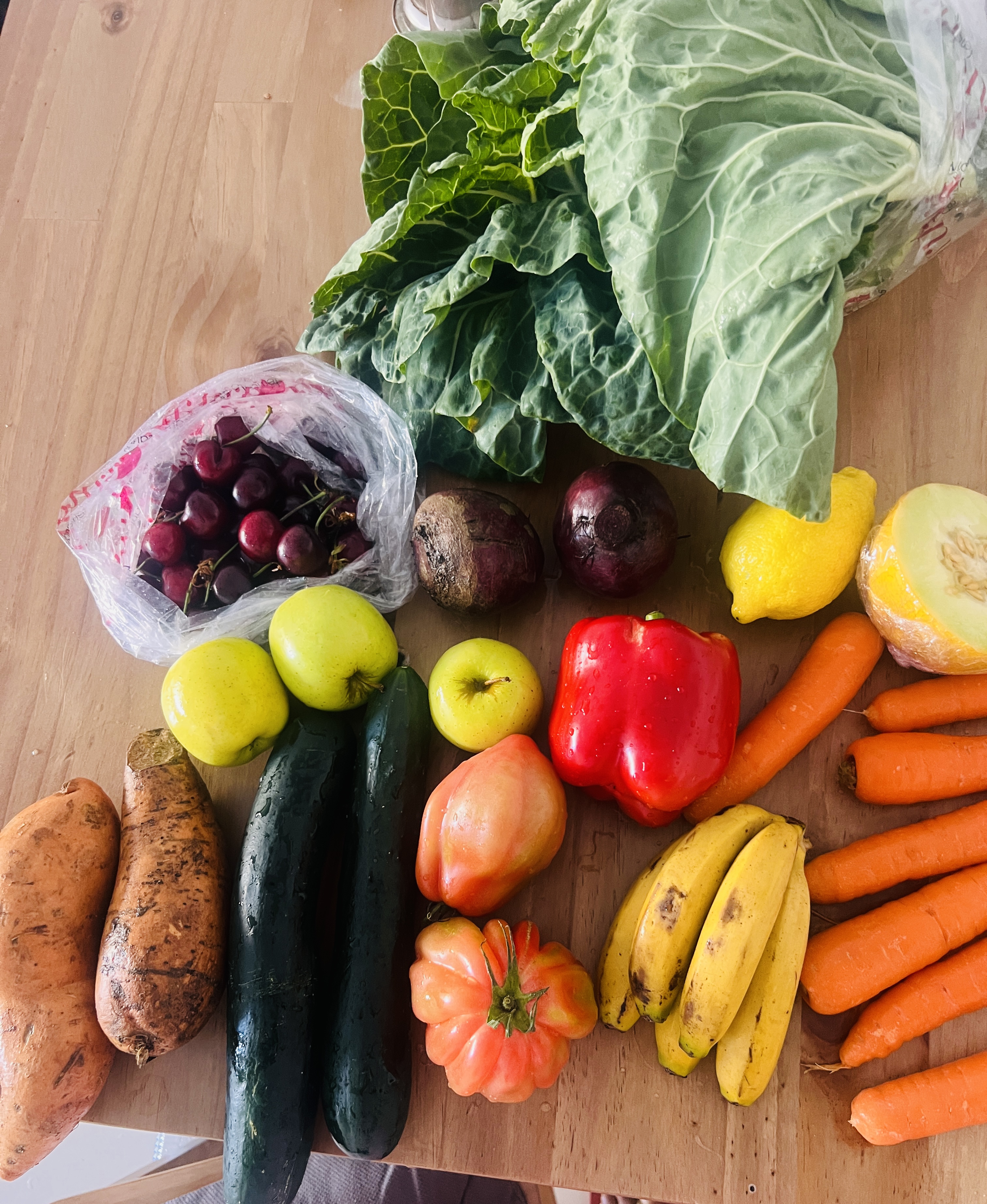
Here’s a quick food list which separates the Soluble-Dominant and Insoluble-Dominant Fiber foods Fiber Food List – Soluble & Insoluble
Leave a Reply