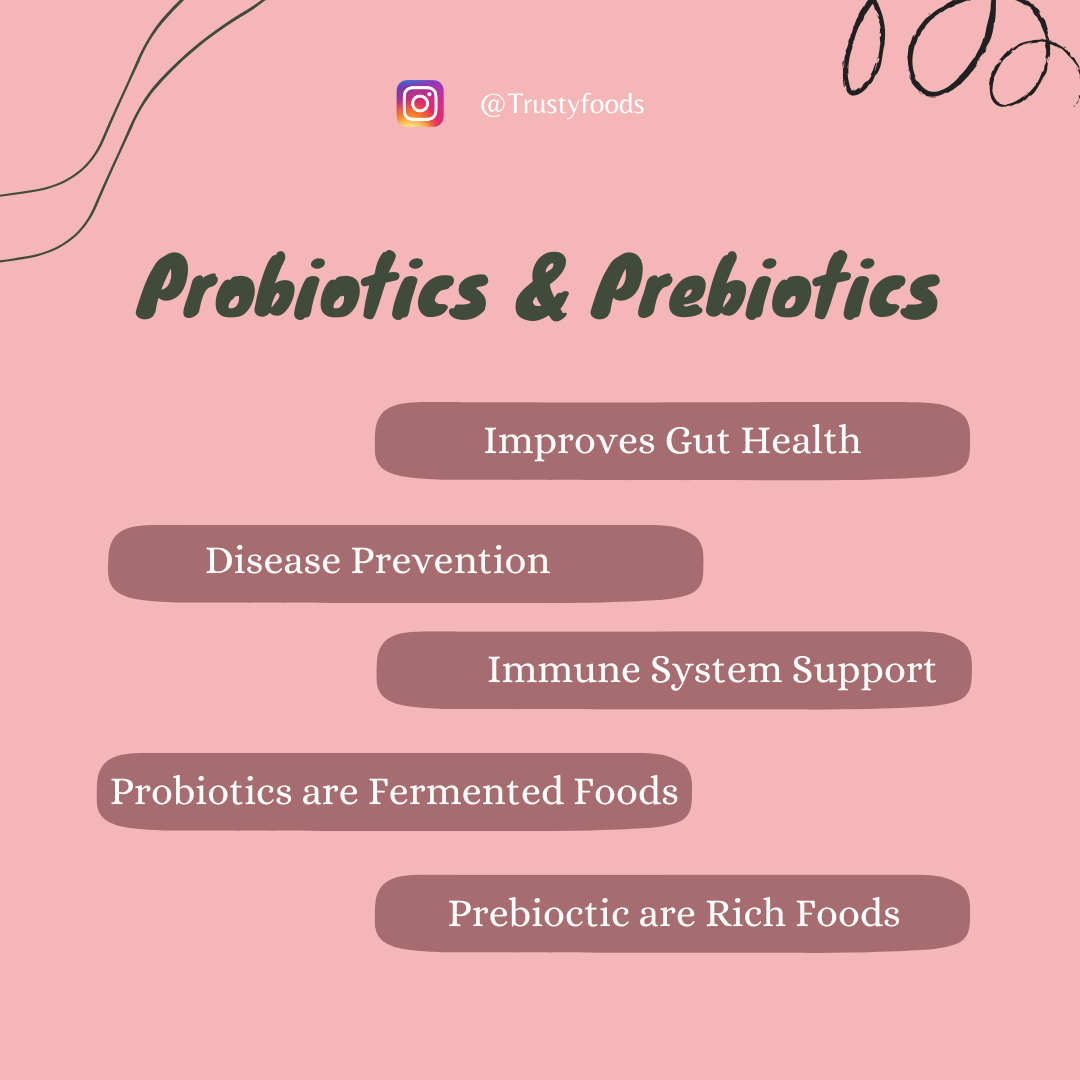
I remember some years ago hearing the term “Probiotics” & “Prebiotics” and naturally my mind would associate this with “Supplements”. This alone had put me off the idea of wanting to invest into the “craze” of being on a balanced probiotics and prebiotics diet. But are we tricking our selves into thinking “Supplements” are the primary ways of maintaining a health nutritious diet? While i’m not completely suggesting Supplements are not as affective, because they have many benefits…
- Helps to fill in nutritional deficiency gaps
- Promotes specific health outcomes
- Enhances rapid recovery and physical performance
- Suits those with an active, busy lifestyle
While supplements can be beneficial, they are not a substitute for a healthy balanced diet, and should not be used to replace good nutrition, but only compliment.
I believe this is a topic to discuss further later on…
To anyone who doesn’t know, “Probiotics” and “Prebiotics” can be taken as normal food. In fact there’s high chance you’ve already incorporated these foods into your diet without realising it!
Consuming a wide variety of probiotic fermented meals and products is very essential in your diet. The expression ‘ Probiotic’ means life promoting. The Gastrointestinal health is central to our overall health and well-being, promoting a functional digestive system filled with beneficial bacteria protecting the immune system, and helping us with boosting our metabolism and producing the hormone chemicals our bodies need.
About Probiotics:
Food types:
- Sauerkraut (unpasteurized, fermented cabbage)
- Kimchi (fermented spicy Korean cabbage and vegetables)
- Miso (fermented soybean paste)
- Tempeh (fermented soybeans)
- Natto (fermented soybeans, traditional Japanese food)
- Pickles (fermented in brine, not vinegar)
- Kombucha (fermented tea)
- Green olives (brined, naturally fermented
- Yogurt (with live and active cultures)
- Kefir (fermented milk drink)
These foods items contain live beneficial bacteria, as a result of fermentation. All food types can provide a broad spectrum of nutritional benefits. Naturally containing a diverse array of fibre types, which is crucial for supporting a healthy and diverse gut microbiome. The main purpose of probiotics is to promote a healthy microbial balance in the gut, which supports digestion, immunity, protection against pathogens, and overall well-being
About Prebiotics:
Food types:
- Chicory root
- Jerusalem artichoke (sunchoke)
- Dandelion greens
- Garlic
- Onions
- Leeks
- Asparagus
- Bananas (especially green/unripe)
- Apples
- Kiwi
- Barley
- Oats (whole oats)
- Apples
- Cocoa powder (unsweetened)
- Flaxseeds
- Cashews
- Almonds
- Savoy cabbage
- Mushrooms
- Legumes (chickpeas, lentils, beans)
- Whole grains (rye, wheat bran, whole wheat bread, couscous, pasta)
- Burdock root
- Yacon root
- Jicama root
Prebiotic foods are high in fibres and compounds that feed beneficial gut bacteria. The main purpose of prebiotics is to nourish the beneficial bacteria in your gut, thereby supporting digestive health, immune function, metabolic balance, and overall well-being.
Synergistic Benefits of Probiotics and Prebiotics
Prebiotics act as an immediate food source for probiotics, increasing their survival through harsh stomach acid and bile salts. This ensures more live bacteria reaches the intestines, where they can colonise and thrive.
The symbiotic formulation increases Lactobacilli and Bifidobacteria: These are bacterias which are critical for digestion, nutrient absorption, and reducing inflammation.
Targeted health benefits of Probiotics and Prebiotics synergy
The synergy between probiotics and prebiotics offers precise therapeutic benefits for metabolic, immune, neurological, and gastrointestinal conditions, making synbiotics a powerful tool in personalised nutrition and preventive medicine.
- Digestive Health: Synbiotics alleviates constipation, diarrhea, and lactose intolerance by balancing gut flora and improving motility.
- Immunity: They enhance immune responses by modulating gut-associated lymphoid tissue (GALT) and reducing pathogenic infections.
- Metabolic Support: Synbiotics improve insulin sensitivity, calcium absorption, and lipid metabolism, lowering risks of obesity and type 2 diabetes
| Targeted Condition | Synbiotic Mechanism | Outcome |
|---|---|---|
| Inflammatory Bowel Disease | Reduces TNF-α, IL-6; strengthens gut barrier | Fewer flare-ups, improved remission13 |
| Obesity/Type 2 Diabetes | Modulates insulin sensitivity, reduces visceral fat | Weight loss, better glycemic control46 |
| Antibiotic-Associated Diarrhea | Restores Bifidobacteria populations | Faster recovery, reduced diarrhea15 |
| Depression/Anxiety | Increases serotonin precursors (e.g., tryptophan) | Improved mood scores |
In summary, both: Probiotics and Prebiotics should be considered as part of your daily diet for overall wellbeing and mental support function.
Start to make a difference by being Rooted in Balance.



Leave a Reply